
Film Review of Macho Dancer: Neon Lights, Bubbles and Cheap Kisses

Neon Lights, Bubbles and Cheap Kisses
We tend to equate the body with desire and nudity with seduction. Yet in the desperate struggle for survival in Manila depicted in the film Macho Dancer, the body is the only asset, the only means of expression, and the only form of resistance available to people from the lower social strata.
The film lays bare the sordid and seedy nature of the male stripper industry without reservation. On club stages, numerous young men sit naked, engaging in mechanical touching and teasing movements. Though their performances are inherently suggestive and erotic, their faces betray utter emptiness and bewilderment. Reduced to objects of desire, they become the subject of sexual fantasizing by audience members watching below.
Despite nudity and gritty, worldly scenes running throughout the entire picture, this work cannot be categorized as an erotic film. Beneath its superficial glitz lies the brutal reality of this trade. Inexperienced young bodies, relentless poverty, the desperate urge to survive, coupled with corrupt police power and a skewed economic system, collectively gnaw away at and exploit vulnerable people at the bottom of society.

#Beneath the neon lights#
After being abandoned by his American military lover, Pol, a teenage boy from a mountainous area, had no choice but to head to Manila alone. He needed to support his impoverished family and survive in a strange city with no relatives to turn to, and the only bargaining chip he had to offer was his young, inexperienced body.
The moment Pol walked into the club and met Mama Charlie for the first time, he was forced to be fully displayed, touched and even talked about in this bustling adult entertainment venue crowded with tourists. It felt as if he had been transported back to the Garden of Eden, to the time before Adam and Eve ate the forbidden apple.
From the second he set foot in this city driven by desire, he was swept onto a preordained path: male stripper performances, sexual transactions, drug trafficking, human exploitation and extortion of power, linked together one after another, stripping away his innocence and dignity layer by layer. Here, the stage was no longer the artistic sanctuary performers dreamed of, but merely a display window they relied on to make a living.

#Between physical bodies#
The footage was shot with blurry image quality and crudely produced soundtracks; even the transitions between musical segments are jarringly abrupt. There are no sophisticated camera movements or elaborate set designs—everything comes across as plain, raw, and even awkwardly unpolished. Yet all these flaws are overshadowed by the film’s piercing emotional power. Cruelty, poignancy, shock and sorrow intertwine to form an elegy for the society of its era.
It neither romanticizes desire nor moralizes survival. Desire is authentic, and so is the struggle to stay alive. Stripped of all ambiguous embellishment, carnal desire lays bare ordinary people subdued to the very bottom by life, quiet and exposed.
In an era when same-sex affection was taboo and marginalized by mainstream society, the director avoids reducing the characters to stereotypical tragic figures. Instead, he observes these teenagers teetering on the brink of despair wrought by fate with calm objectivity, at times even unflinching brutality.
The protagonist Pol’s desires are youthful, muddled and unmoored. Abandoned by someone he was once close to, he seeks fleeting belonging in the advances from other men, while growing confused about his identity amid his feelings for Bambi. During Pol’s shower scene with Noel, amid steamy mist, Noel’s fingertips chased thick lather across their overlapping skin, gliding along damp chests.
Pol’s gaze turned hazy in that instant. No one could tell whether he was performing for the audience’s gaze or truly falling into an inexplicable infatuation he could not name himself. After being rescued by Bambi, another sex worker, the two became intimate for the first time on the narrow bed of a shabby apartment. Fragmented neon lights from Manila seeped through the curtains, and Pol breathed out an innocent, fervent confession verging on salvation, tinged with the lingering attachment still intact within the young man.

Two strands of emotion overlap within Pol, merging into the same rootless wandering with nowhere to land. He seeks solace in intimacy with men and yearns for redemption in tenderness with women, yet no matter which path he takes, he can never find a true home.
This city is saturated with vanity, revelry, and fleeting, cheap intimacy, yet it cannot offer steady, wholesome love. As a result, the body becomes their only medium of communication here. All unspoken loneliness, grievance, longing and attachment are hidden in glances, breaths, sweat and fleeting embraces.
They draw close to one another physically, warm each other with their bodies, and express all the emotions too profound for words to convey. Infatuation and attachment seem frail and fragile amid despair; they can only lean on each other amid exhaustion, seize fleeting moments of reprieve in endless drifting, and serve as each other’s sole glimmers of light in the darkness.
#Above Silence#
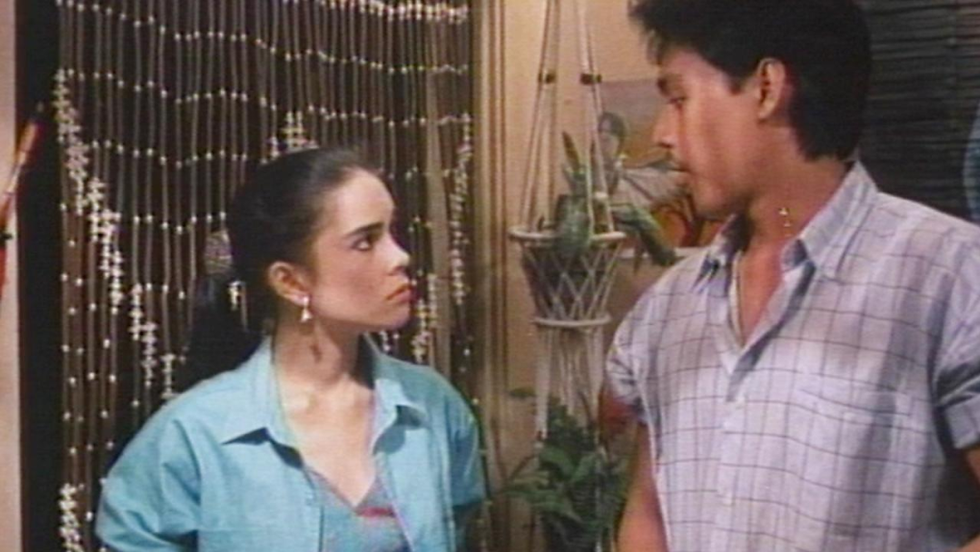
Desperate to find his kidnapped sister, Noel plunges himself into an even more perilous abyss: dealing drugs, socializing with dangerous clients, staking his entire life on an endless search. Forced into this line of work at the age of twelve, Bambi was betrayed by those closest to her. After years adrift in the seedy underworld, she has long lost the ability to break free. Countless girls like Pining are drugged, imprisoned, and traded like commodities, wasting their best years trapped in pitch-black confinement.
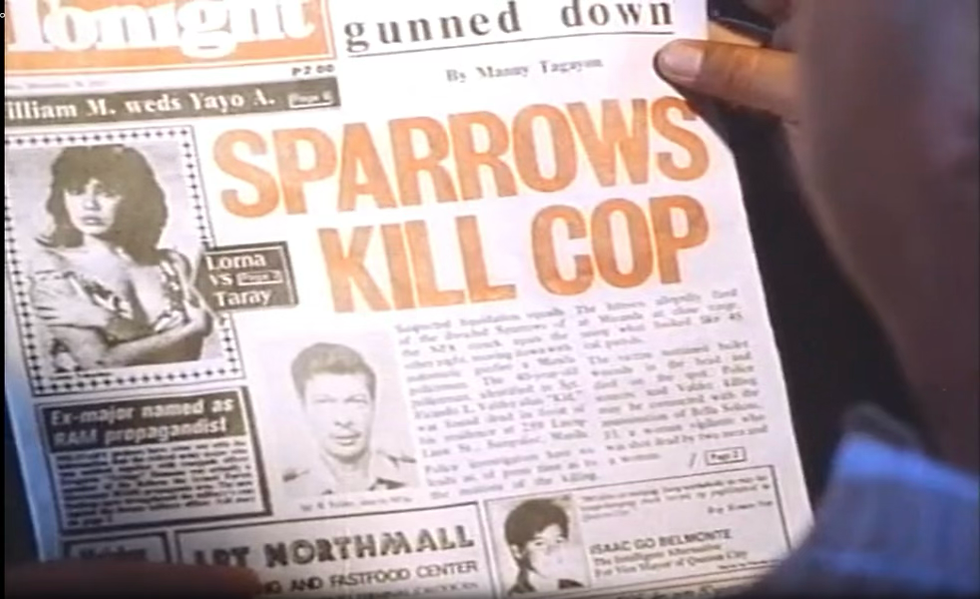
Pol arrived with innocence and departed bearing scars. He avenged his close friend and fought for the vulnerable, yet he ultimately failed to change the city in the slightest. He tailed the corrupt cop Kid day and night before shooting him dead outside his apartment in the predawn hours with no witnesses. Newspaper headlines casually read "Sparrows kill Policeman"—implying that lowly young men, mere sparrows of society, had dared to raise a gun against authority.
Nevertheless, this act of vengeance brought no redemption, only deeper irony. When he returned to the club one final time to say goodbye, everything repeated itself as if destined. With the crooked cop dead, a new tyrant stepped into his place at once. The club rebranded itself, yet trafficking and exploitation carried on unabated. Everything remained "same same"; his physical rebellion felt feeble and bitterly ironic within this city.

Through Lino Brocka’s lens, raw yet powerful imagery intricately weaves personal emotions, the day-to-day realities of the sex industry with police corruption and political shifts. The aftershocks of the 1986 People Power Revolution in the Philippines were still reverberating. The graffiti “We Are For Cory” scrawled on walls in the film was originally a manifesto for transformation, yet on screen it reflects the emptiness following the revolution and the perpetuation of suffering.
Though the dictatorship had fallen, poverty and collusion between police and criminal gangs transcended regime change, continuing to consume marginalized communities. Glitzy neon lights burn endlessly, yet illusory prosperity shatters and fades time and again.
Macho Dancer never sets out to condemn the sex industry itself, but it consistently frames poverty-induced quasi-slavery and violence-fueled illicit profits as its narrative backdrop. Suffering is never concealed; it erupts abruptly, destroying the lives of the innocent. Once superficial glamour fades away, only devastation remains.
Image: From the Internet
Author: Wan An
Typesetting: Rose
Editor-in-Charge: Lu Xuanlong




Comments