
Blades of the Guardians: Wind Rises Over the Desert | A Convincing Action System

# A well-established action system
I had barely any expectations for Blades of the Guardians before stepping into the cinema. To some extent, this lowering of expectations has become my habitual mindset when watching domestic genre films released in recent years. Yet the movie boasts a rare caliber rarely seen nowadays: a level of refinement crafted with sincere and rigorous effort.
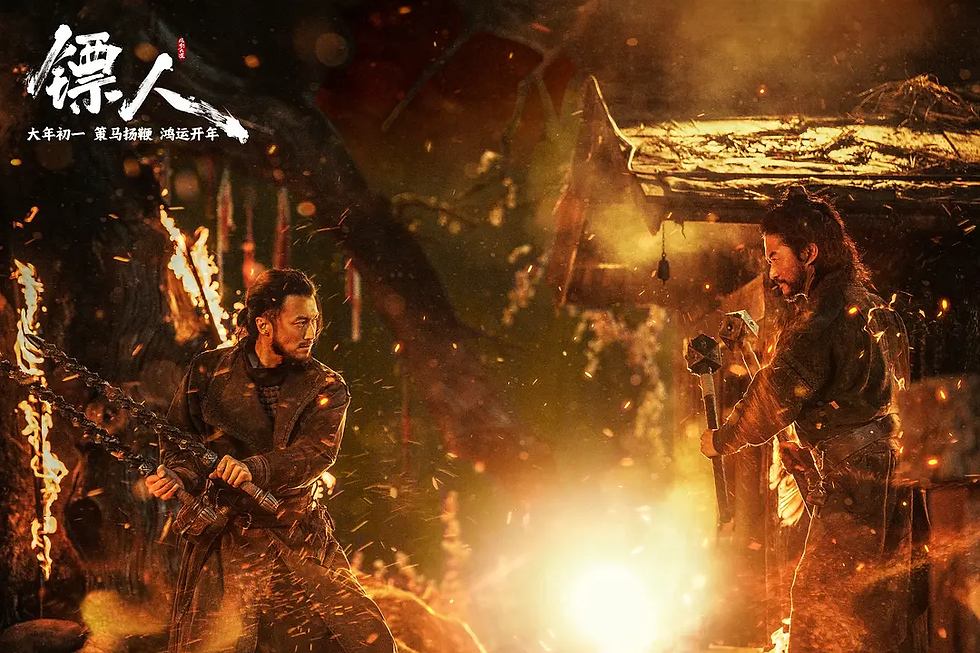
The action sequences choreographed by Yuen Woo-ping remain steady and precise. More notably, the cinematography carries a tangible sense of weight. The construction of real-scene sets, swirling dust, and the direct interplay between light and human bodies turn fight scenes from mere visual spectacles into entities with genuine physical texture.
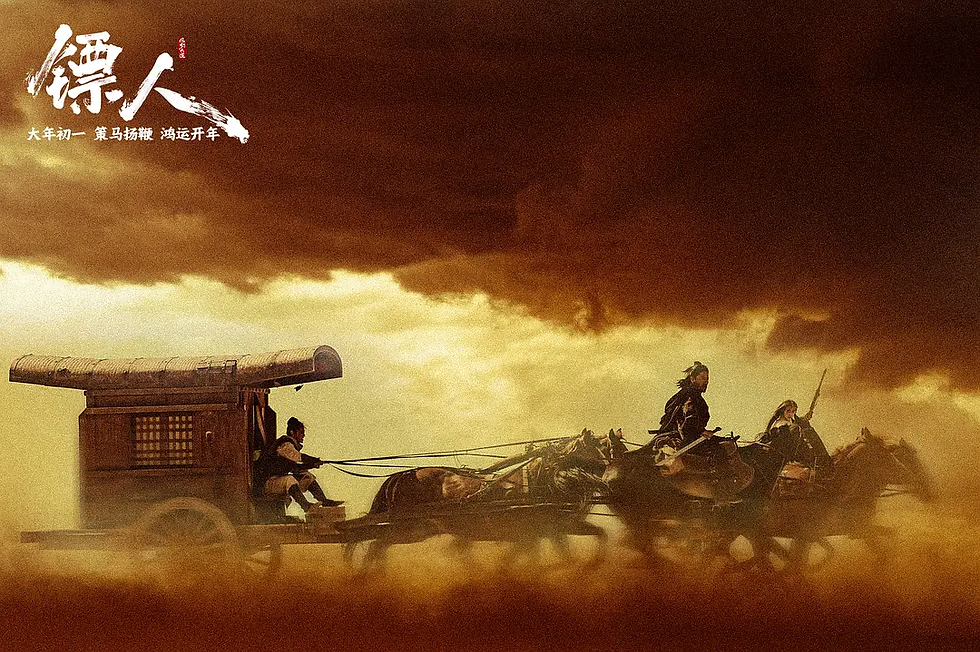
This texture does not pursue technical perfection; instead, it replaces sleekness with a certain rawness to rebuild an authentic connection between the image and the human body. Within today’s industrial system that heavily relies on post-production and special effects, this perceptible visual experience has become rather rare.
What surprises the audience most in the film is the opening action sequence featuring Jet Li (playing Noble Chang), Wu Jing (playing Dao Ma) and Zhang Jin (playing Two-Headed Snake). This sequence is exquisitely executed and showcases physicality-driven performing prowess. Instead of relying on edited cuts to create continuity and rhythm in the moves, the fluid and well-timed actions unfold naturally amid movement, resembling a powerfully charged choreographed action routine.
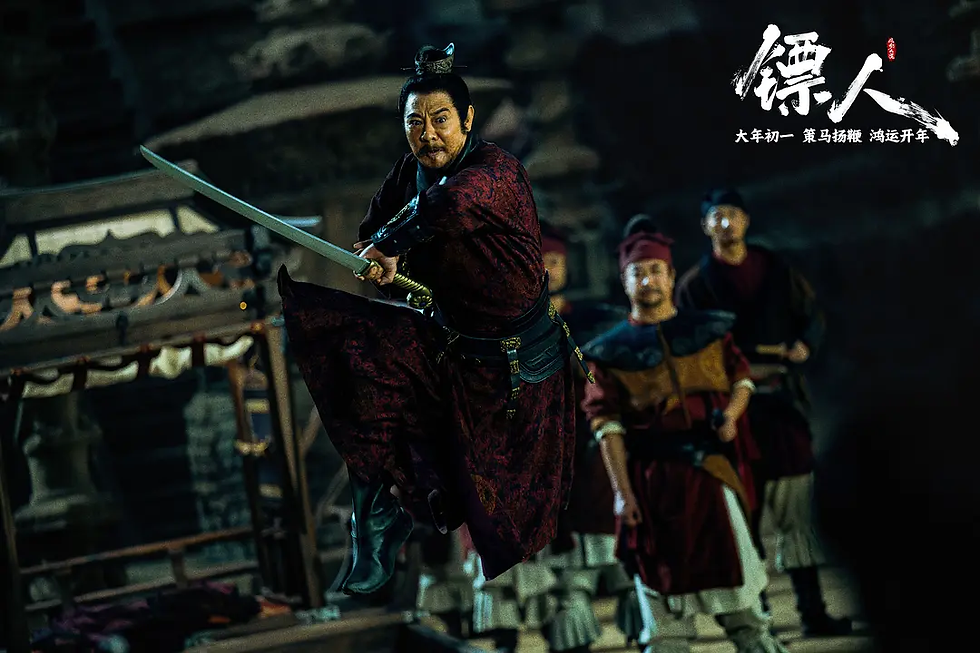
Going further, director Yuen Woo-ping sticks to his consistent approach, using action as a narrative device rather than mere visual spectacle.
In these sequences, the rhythm of the fights, shifts between attack and defense, and even the physical spacing between characters all contribute to shaping interpersonal dynamics. In other words, the "fighting" never strays from true martial arts; it not only serves a narrative purpose but also functions as a vehicle for emotional and thematic expression.
This very element stands as the film’s most valuable merit. It re-establishes, on a granular level, an organic interplay of "action-character-narrative" that defines the wuxia genre.
Nevertheless, the film’s problems also center on its genre structure itself. As a work featuring martial arts elements, adapted from a comic and structured with novelistic narrative traits, Blades of the Guardians inevitably suffers from compressed storytelling. Consequently, numerous characters and settings are introduced hastily without adequate room for further development.
Zhishilang (portrayed by Sun Yizhou) serves as a typical example. Though this character is highly symbolic in conception, the film fails to supply sufficient narrative depth to flesh him out, making it difficult for him to evolve from a mere conceptual archetype into a fully realized, believable character.
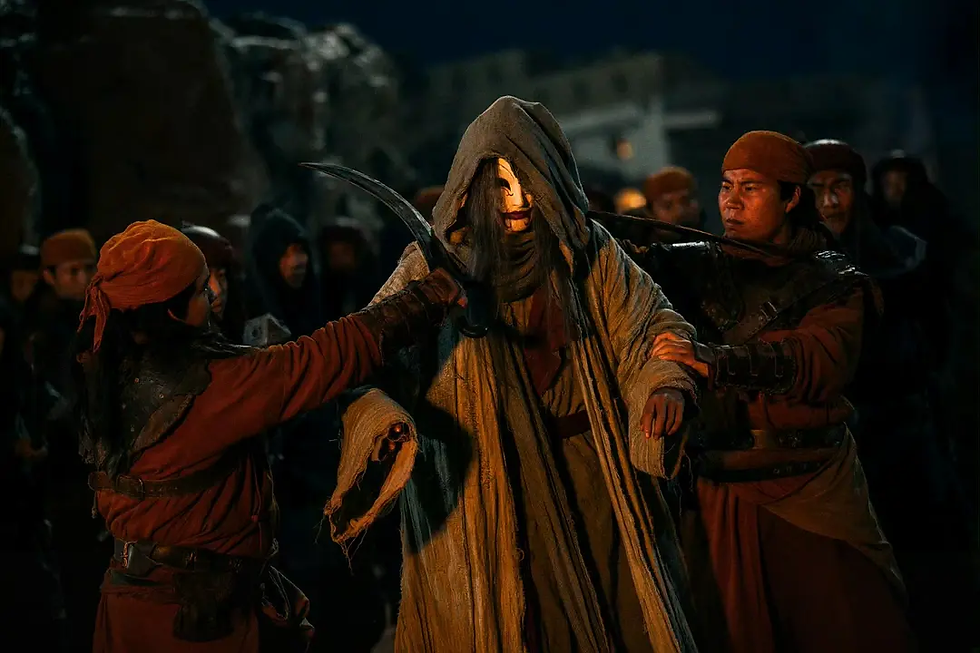
For instance, the origins of his status rooted in belief, the reasons why he is the primary target of the bounty, and the reasoning behind why Lao Mo (played by Tony Leung Ka-fai) places such immense trust in him and is willing to sacrifice himself to protect him are merely hinted at rather than fully developed.
At the same time, his use of a mask also transforms the "Zhilang Shiye" from a specific individual into a replaceable symbol. To a certain extent, this narrative choice creates structural possibilities for subsequent plot development, while subtly suggesting a depersonalized expression: that "identity" is something capable of being inherited and replicated. Regrettably, this underlying thematic implication is not fully elaborated and remains merely suggestive.
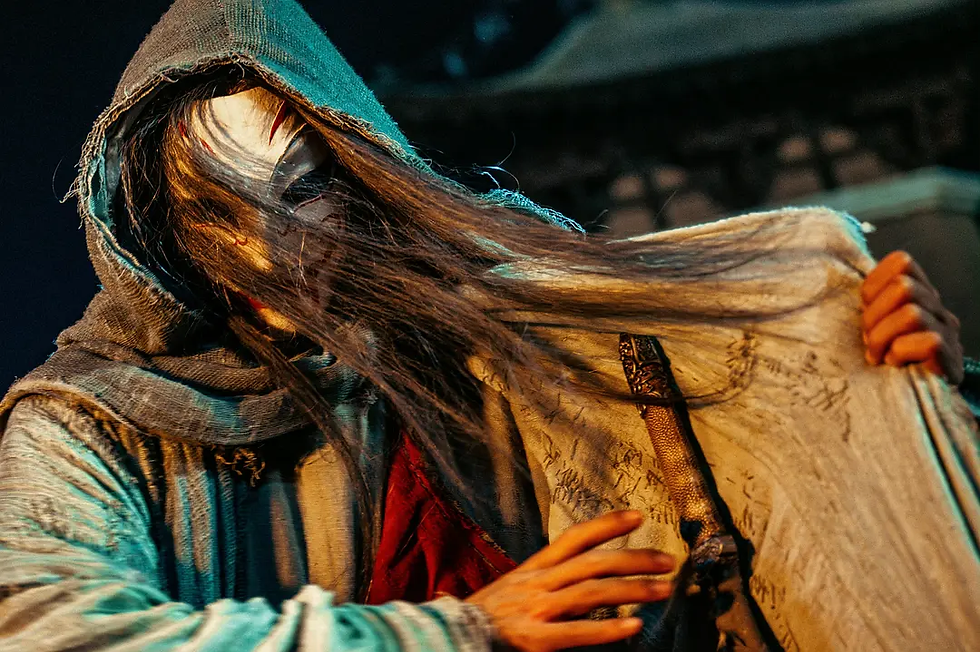
Overall, Blades of the Guardians is not a work with an extremely high degree of narrative completion, yet its significance does not lie entirely on the textual level.
Against the backdrop where domestic genre films generally tend to play it safe and suffer from homogenization nowadays, this work at least offers an alternative approach: beyond action sequences, it revives the textural quality of cinematography and the embodied presence of the human body within films. Though this attempt may remain incomplete, it is substantial enough to serve as a point of reference.
As genre filmmaking gradually drifts toward formulaic production, the true value of Blades of the Guardians lies in its reminder to audiences that martial arts films have never been merely spectacles of action, but a medium through which moving images carry physicality, interpersonal relationships, and deeper meanings.
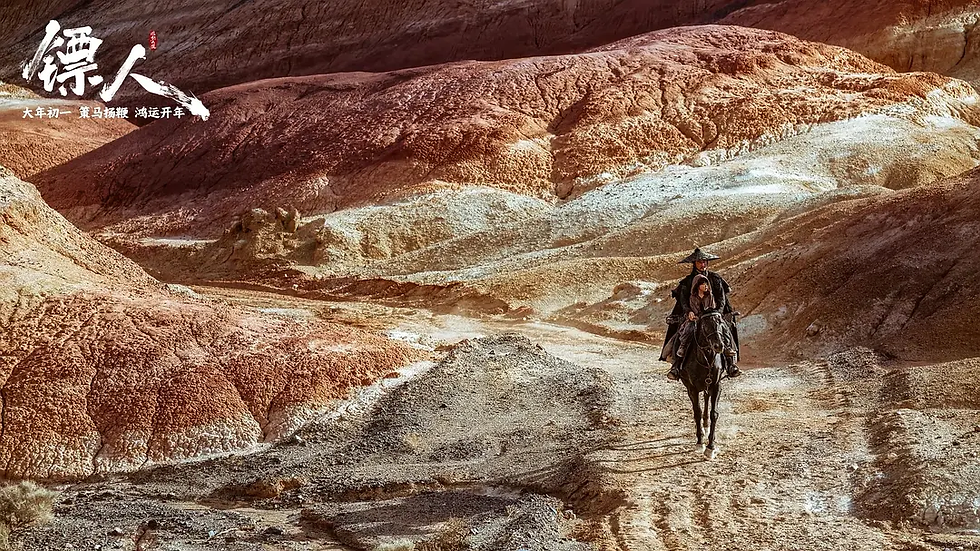
Image: From the Internet
Author: L. Lu
Typesetting: Liu Ruiyan
Managing Editor: Lu Xuanlong



Comments