
Arrested Memory: When plans collapse, absurdity becomes the only answer
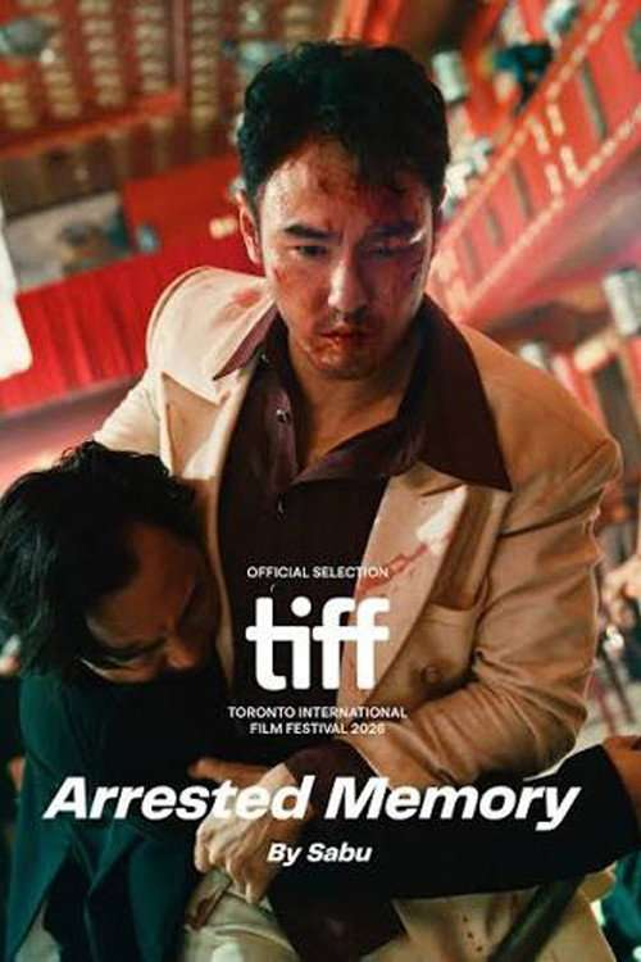
Arrested Memory is an absurd crime action film. It weaves together amnesia, trauma and coincidence to build a manhunt that seems out of control yet ultimately coherent.
The lead character Lee, played by Ethan Juan, is a legendary detective who once dominated the police force. During an operation, he suffered trauma after his partner was killed. After developing Alzheimer’s disease, he gradually lost full memories of his past, yet he gets dragged into a new case.Memories may fade, but the instincts forged by years of police training do not vanish easily.
While carrying out his mission, Lee unconsciously drifts away from the original "main plotline". Whether it is drug addicts he meets on the road, or dangerous figures hidden within a couple he stumbles upon by chance back at his hotel, his attention is repeatedly pulled away from his immediate task.
At first glance, these acts look like an amnesiac old man constantly going off-topic, even seeming ridiculous and absurd. But as the plot unfolds, viewers realise these so-called "side quests" are guided by Lee’s subconscious. His observational skills built over decades as a detective continuously pick up anomalies ordinary people overlook. Even if he can no longer fully understand where his judgements come from, his instincts still search for answers for him. Those seemingly illogical actions, in turn, repeatedly become critical to advancing the case.
This conflict between amnesia and instinct peaks in the final confrontation with the gang. The film features smooth, sharp editing; action, sound and lighting maintain a powerful rhythm. Especially in action sequences, rapid cuts and dramatic shifts of light and shadow create constant tension, leaving viewers barely any room to breathe.
After Lee is beaten and pushed to his limits by his enemies, he seems to suddenly "awaken" from his chaotic mind. This sequence is one of the film’s most visually striking moments: reality, memory and consciousness are rapidly cut and spliced, with action, sound and editing rhythm exploding all at once. For a movie centred on the premise of amnesia, this visual instability mirrors the protagonist’s state perfectly. His memories are fragmented, and through shifting shots, the audience is pulled into a viewing experience where reality can never be fully confirmed.
At that moment, it is not merely memory that awakens, but the fighting instinct of a legendary detective buried deep inside his body.
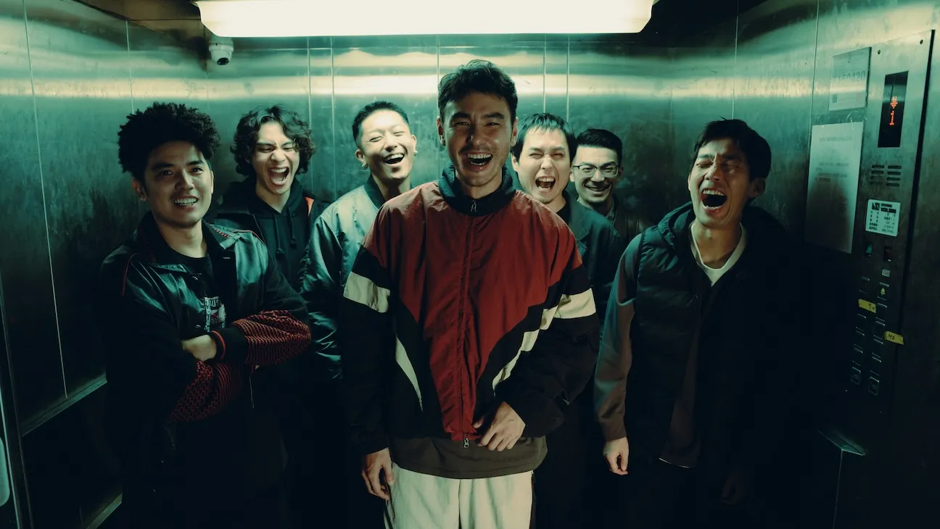
As the enemies responsible for his partner’s death fall one by one, the pleasure audiences feel is more than just excitement from action scenes. The trauma and repression built up around the character erupt into a raw emotional release at this instant. Violence therefore is not only a plot device, but also a way for the character to settle his psychological debts.
What I find truly compelling, however, is how the film handles plan and chance in its ending.
The police try to rescue the kidnapped child and arrest the kidnapper through carefully laid plans. Every step appears calculated; everyone tries to make events follow the intended path. Yet it is not these elaborate arrangements that truly drive the story toward its ending. Instead, Lee’s seemingly wrong, reckless and even random decisions turn out to be the key.
This creates a darkly humorous chain of cause and effect within the film. The harder people try to take control, the more easily events slip out of plan. The more absurd a choice appears, the more likely it closes the loop in the end. It can even be said that those earlier "mistaken" acts gain new meaning by the finale. They are no longer random incidents deviating from the main story, but indispensable parts leading to the final outcome.
Lee loses control over his past and cannot accurately predict what comes next.Paradoxically, precisely because of this loss of control, he pushes the story forward in the most unexpected way.

To plot every intricate scheme is less powerful than one casual stroke of fate.
Viewed from this perspective, Arrested Memory is in fact a typical genre film. Though I have not seen other works by director SABU before, this movie clearly reveals his fondness for black comedy, action and crime genres. Rather than striving for fully realistic criminal logic, the film deliberately pushes its narrative toward exaggeration, absurdity and near-madness, before reconnecting these seemingly unravelled threads in the finale.
Naturally, this narrative approach acts as a double-edged sword for the screenplay.
The story of Arrested Memory itself is not strikingly original. Amnesia, police officers, kidnapping, crime and revenge are all tropes repeatedly used within genre cinema. What truly distinguishes the film is not so much the story itself, but how it repackages these familiar genre elements through audiovisual language and black humour.
Some plot points do feel over-the-top, even contrived to make all narrative threads loop back together in the end. At the same time, however, this absurdity forms the film’s unique character. It does not attempt to present a fully rational world to the audience. Instead, within a nearly out-of-control criminal game, chance, intuition and fate bring the story to completion.
Therefore, while Arrested Memory may not deliver a groundbreaking crime narrative, it builds a distinct genre identity through its bold visual style, black humour and absurd cause-and-effect relationships. The film ultimately leaves audiences with reflections on control: humans can meticulously plan every single move, yet never predict how fate will write the ending. Sometimes that one step away from the plan is exactly what drives the story toward its inevitable conclusion.
Comments